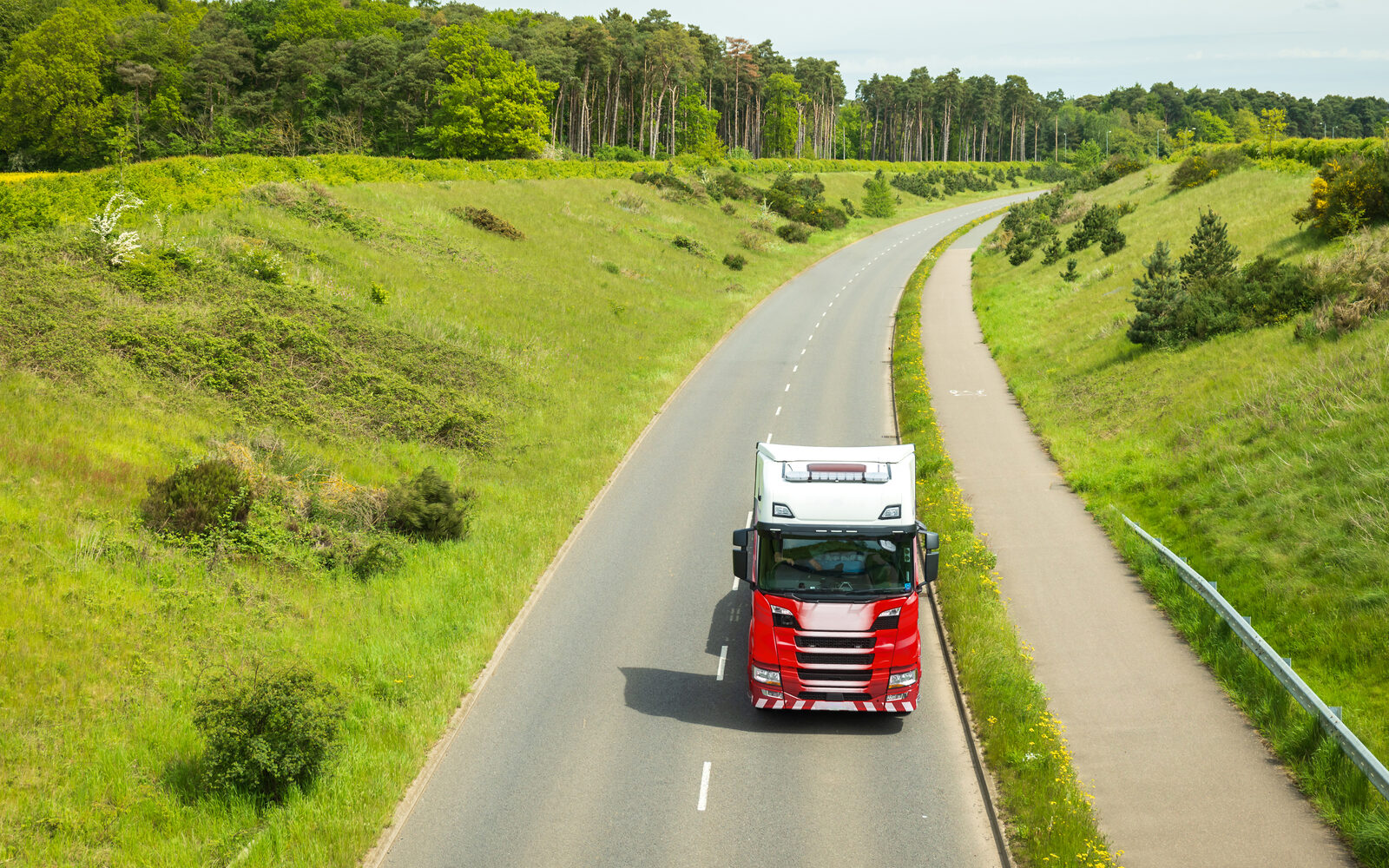
A long road movement into Central Asia is decided long before the truck rolls. By the time a unit leaves a yard in the Midlands or the South East, the outcome is already shaped by the choices made over the previous fortnight: which carrier was booked, what equipment was assigned, how the driver was briefed, and whether anyone thought about what happens when something goes wrong two thousand miles from home. I have learned to treat the booking confirmation as the start of the work, not the end of it.
The same principle applies to operators taking their first step into heavier own-account or haulage work: get clear on how to apply for an operator licence before the routes, rates and recovery plans start multiplying, because the file needs to stand up before the first long movement does.
Carrier choice is a recovery decision
The cheapest truck is rarely the cheapest outcome. A low rate usually buys a single vehicle with no real-time visibility, no agreed recovery arrangement and a driver who has never run that corridor. When a wheel bearing fails on a remote stretch, or a unit is held at a crossing because the paperwork was a day stale, the saving disappears in standing time, missed receiving slots and frantic phone calls across three time zones.
When I assess a carrier for this kind of distance I ask narrow, practical questions. Have your drivers run this route in the last year? What telematics do you actually use, and can I see it rather than be told about it? If a vehicle breaks down between major towns, who do you call and how long does recovery realistically take? A carrier who answers those calmly and specifically is worth more than one who only quotes a figure.
Equipment matched to the road, not the invoice
Equipment has to suit the surface and the climate as much as the cargo. Long sections of these corridors are well surfaced; others are not, and seasonal extremes are real. Tyres, suspension and load restraint need to cope with rough sections without working the load loose. Temperature-sensitive goods need a reefer with a service record and a driver who checks set points rather than assuming them. Curtain-siders carrying anything worth stealing want internal strapping and, where it matters, a hard-sided option instead. I would rather pay for the right trailer than explain a damaged consignment to a consignee who has waited five weeks for it.
Driver welfare is operational, not a courtesy
A tired driver is a slow driver and eventually an unsafe one. Over this distance, welfare is part of the schedule, not a soft extra. That means realistic daily distances, planned rest where rest is actually possible, and honesty about the points where a driver will struggle to find secure parking, decent food or a place to wash. I build slack into the plan for the crossings, because a driver who has queued for nine hours at a border is in no state to push on through the night to recover the time. Pretending otherwise just moves the risk downstream.
Communication that survives the route
Visibility matters most exactly where signal is worst. I expect a way to reach the driver that does not depend on a single network, an agreed check-in rhythm, and a clear instruction on what to do at each crossing rather than a vague "call if there's a problem". A driver brief that survives multiple borders is one written for the road as it is: which documents to present first, who the local agent is, what to do if a stamp is refused, and the simple rule that they should stop and call before improvising. The brief should still make sense on day twelve when the original plan has already bent twice.
Route resilience over the perfect plan
- Identify the two or three points most likely to cause delay and plan around them, not the easy stretches.
- Agree a fallback for the predictable failures: a held vehicle, a closed crossing, a missed receiving window.
- Keep one named person on each end who can make decisions, so the driver is never the most senior person on the job.
None of this is exotic. It is the ordinary discipline of long-haul work, applied honestly to a route where mistakes are expensive and slow to fix. Get the vehicle, the driver, the documents and the receiver lined up to the same plan, and most of what people call bad luck simply does not happen.