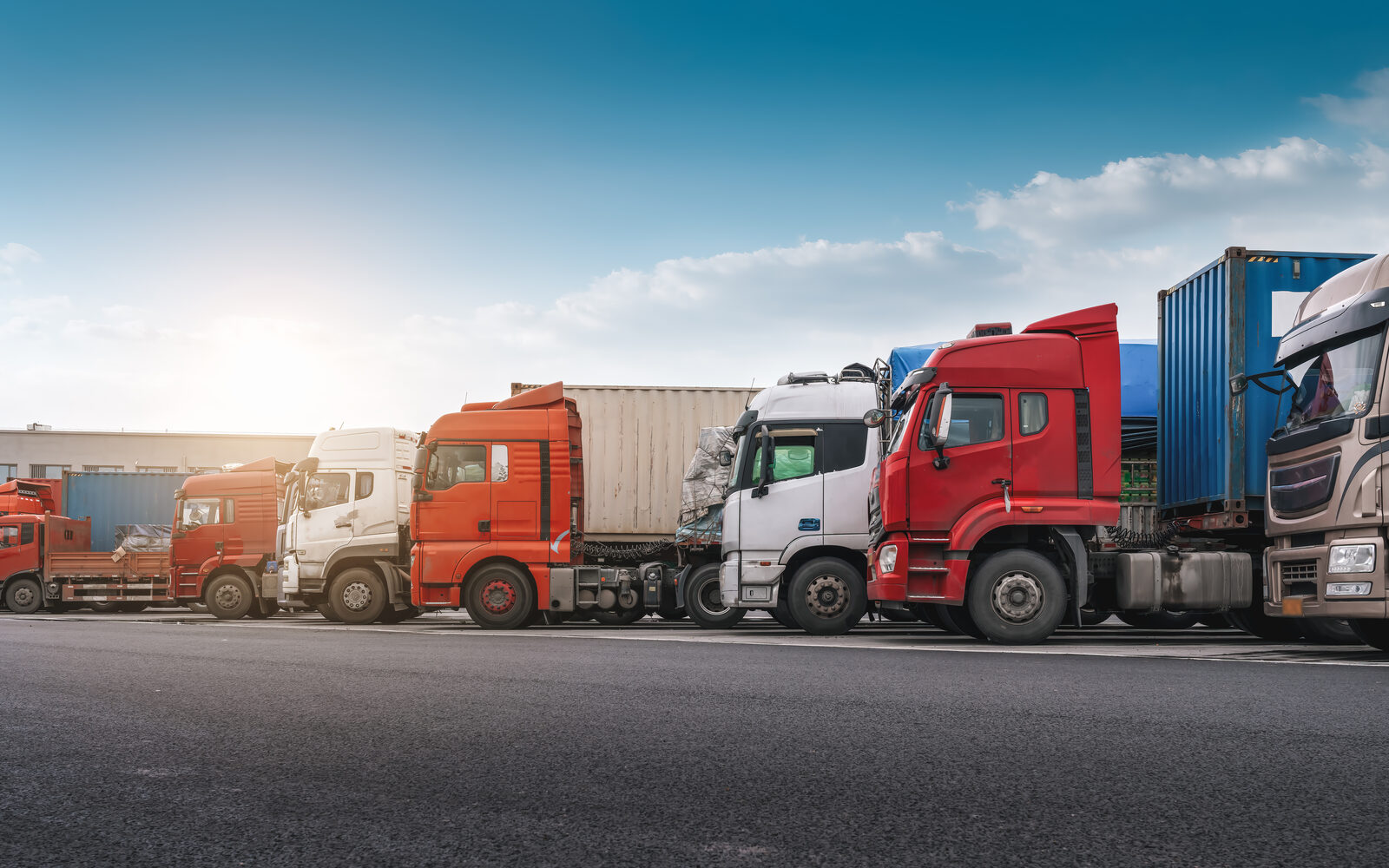
I came to Kyrgyzstan through freight rather than through finance, and that colours how I read the market. From an operations seat you learn quickly that a deal is only as good as the delivery behind it, and that the commercial side and the logistics side cannot be kept in separate rooms. A price agreed without regard to how the goods will actually arrive is not really a price; it is a hope. The firms that build durable trade here tend to be the ones that set expectations carefully at the start and then keep them.
Clear expectations beat optimistic timescales
The single most useful habit is honesty about time. A delivery promise into Kyrgyzstan depends on customs timing as much as on driving time, and the two are not interchangeable. A truck can cover the road portion comfortably and still lose days at a crossing while documentation is checked or a query is resolved. If you quote a date based only on transit speed, you will miss it, and missing dates is how trust erodes. It is far better to give a realistic window, explain what sits inside it, and then beat it occasionally than to promise tightly and disappoint repeatedly.
Set the same clarity around payment and delivery terms. Agree the Incoterms in plain language, confirm who arranges and pays for each leg, and write down what "delivered" actually means for that contract. Misunderstandings here are rarely malicious; they are usually two reasonable people picturing different things. The cost of clearing them up at the start is a short conversation. The cost of leaving them is a dispute about a stranded consignment, with demurrage building while both sides argue over whose problem it is.
The value of a good local contact
This is where a strong local relationship earns its keep. A capable contact on the ground in Kyrgyzstan is not a luxury; it is risk management. They understand the documentation that the destination expects, they know which details cause a customs officer to pause, and they can resolve a small question in an afternoon that would otherwise sit unanswered for a week if handled remotely from the UK. I have watched modest misunderstandings turn into expensive transport disputes purely because there was nobody local able to act, and I have seen the opposite just as often: a quiet word from the right person clearing a hold before it became a cost.
Choose that contact for reliability rather than for the lowest fee. You want someone who returns calls, gives you bad news early, and tells you when a date is slipping rather than letting you find out at the border. A relationship like that is built slowly, through small consignments handled well, and it is worth protecting.
After-sales is part of the deal
Selling into a distant market without a plan for what happens afterwards is a recurring mistake. Decide before the first order how warranty claims, replacements and spares will be handled, because the geography makes improvisation expensive. A clear after-sales arrangement, even a simple one, is often what turns a single transaction into a repeat customer. The buyer is taking a risk on a supplier a long way away; showing that you have thought about the awkward cases is reassuring in a way that a low price never is.
Practical groundwork
- Agree delivery terms and what counts as delivered, in writing and in plain words.
- Quote realistic windows that include customs time, not just driving time.
- Settle payment terms, currency and the documents that trigger payment.
- Appoint a reliable local contact and value early warnings over low fees.
- Decide the after-sales process before the first shipment leaves.
None of this requires special insight into the country so much as ordinary commercial discipline applied with the distance in mind. Treat the people you deal with as you would want to be dealt with, keep your promises modest and your communication frequent, and the difficult logistics become manageable. The relationships that last are simply the ones where both sides always knew where they stood.