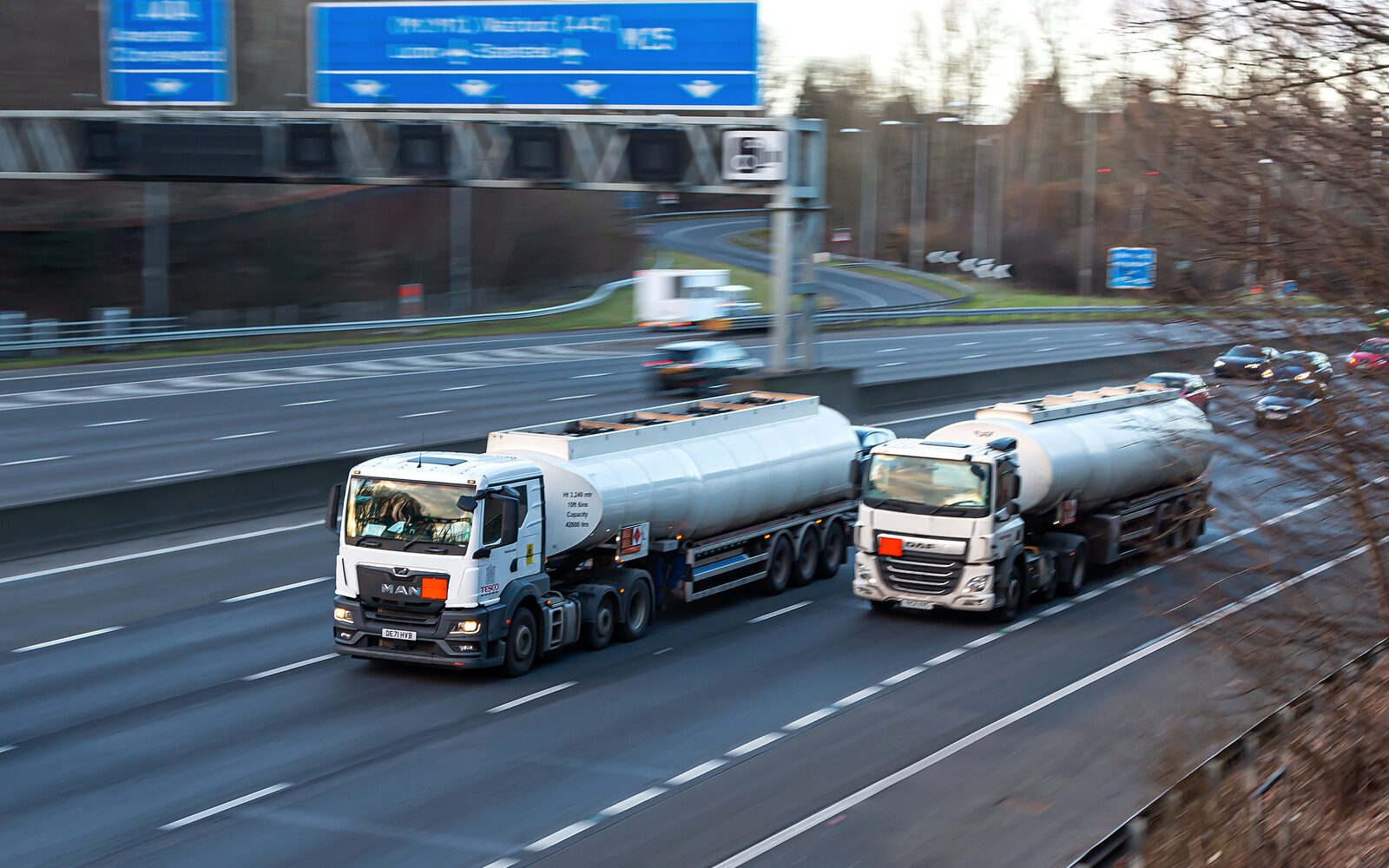
A vehicle that is about to travel a long way should not start the journey with an unexplained warning light. That is true for private cars, but it matters even more when a van, pickup or support vehicle is being used in a trade, freight or export context. A small fault at home can become a delay at a port, a border, a workshop or a delivery point a long way from the person who made the original decision.
Diagnostic trouble codes help make that decision more disciplined. The light on the dashboard tells the driver that something has been detected. The code behind it gives a better idea of the system involved: powertrain, chassis, body or network communication. It still needs a technician's judgement, but it stops the conversation starting from guesswork.
An OBD fault-code guide is a useful reference because it explains diagnostic codes in plain English. That helps a transport office, exporter or owner-driver understand whether a code is likely to involve emissions, fuelling, sensors, braking, steering, safety systems or module communication before deciding how quickly the vehicle needs attention.
The mistake is to treat a code lookup as a repair. A code can point to the affected system without proving the failed component. A lean-running code might start with an air leak, fuel pressure issue, sensor problem or exhaust measurement error. A network code may reflect a wiring fault rather than a failed module. The right next step is proper diagnostic confirmation, not parts swapping.
Long-distance use changes the risk calculation. A van that only covers local runs may tolerate a minor issue for a while, but the same fault can become expensive if the vehicle is committed to a multi-day movement or used to support cargo work. Heat, load, road speed and stop-start routing can all expose weaknesses that did not show up on short trips.
The practical rule is to read the code, record the symptoms, check whether the warning is steady or flashing, and get the vehicle checked before it becomes part of a wider logistics problem. For international work, prevention is cheaper than recovering a vehicle after the schedule has already failed.